
Wandari Lodge is located in Peru’s high jungle, just over four hours away from the Imperial City of Cusco, but already well within the Amazon rainforest. At three hours’ drive in the opposite direction is the city of Puerto Maldonado, the main entry point for the famous Tambopata and Manu national parks.


The Lodge
WELCOME TO WANDARI
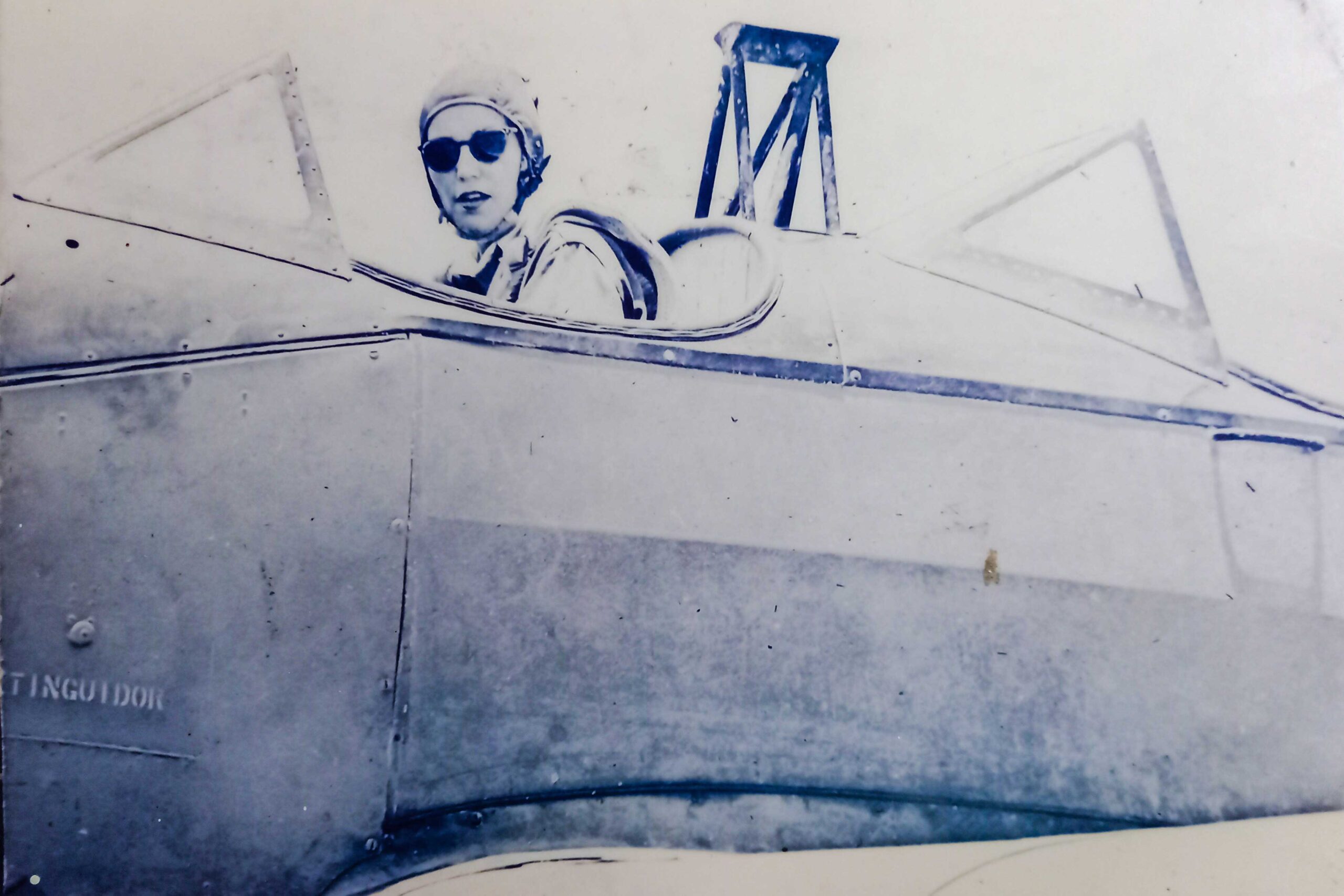
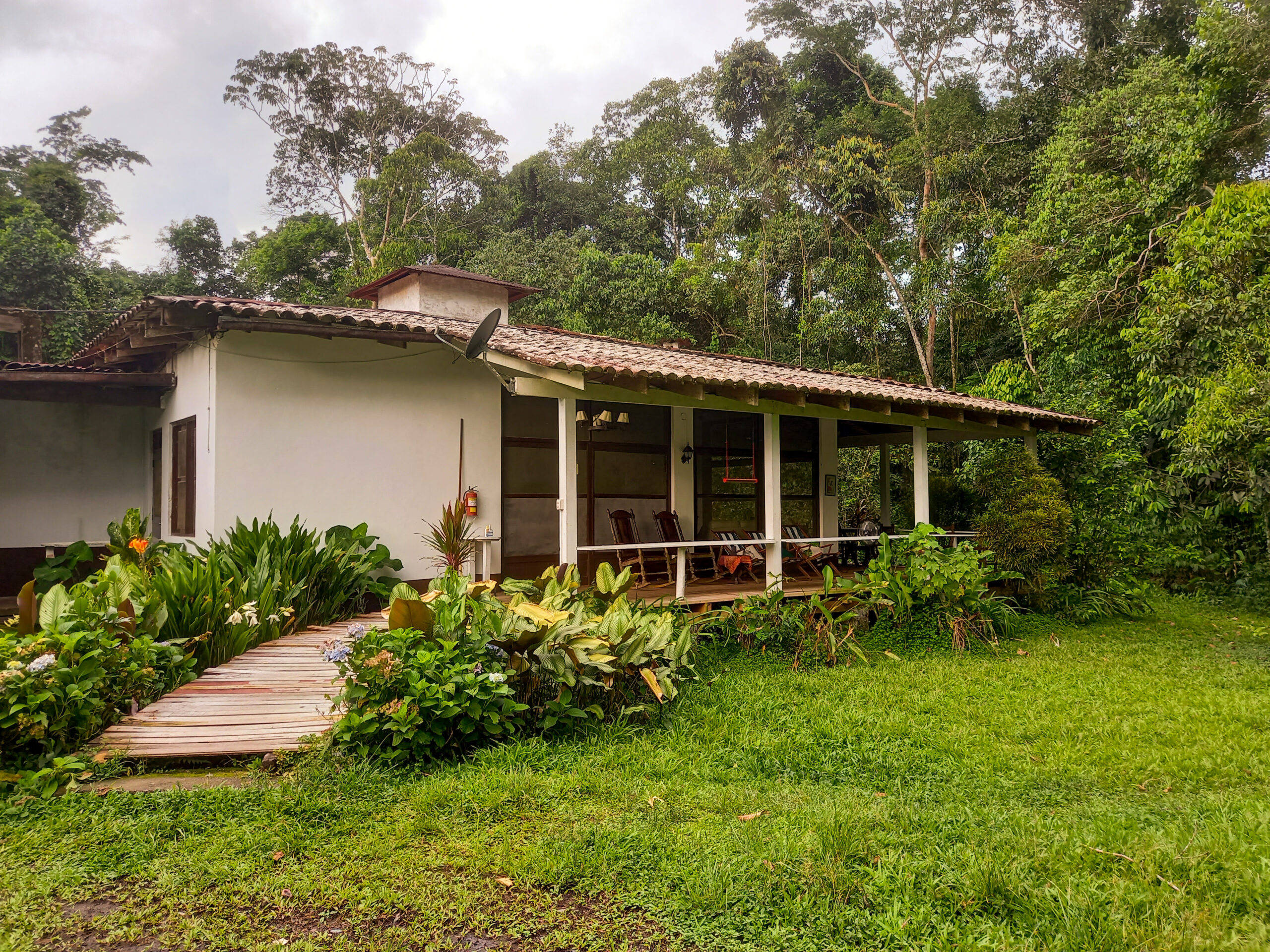
At the center of the compound, we have what used to be the country house of an Italian lady who decided to settle here when the town of Quincemil – on which outskirts we’re located – could only be accessed by a dirt road which, for about half of the year, was impassable, as rains would make it too muddy. The other way to reach the town was by small plane, that landed at the tiny and now defunct Quincemil airport. This was the favored way of the courageous Mrs. Rita Barera, who would visit her country house by flying in her own one-seater propeller plane over the Andes and into the jungle.

Since then, the town has changed considerably, although it’s still small and simple. The big difference came when the Interoceanic highway was built some 15 years ago. This made the town easily accessible, both from the east and the west.
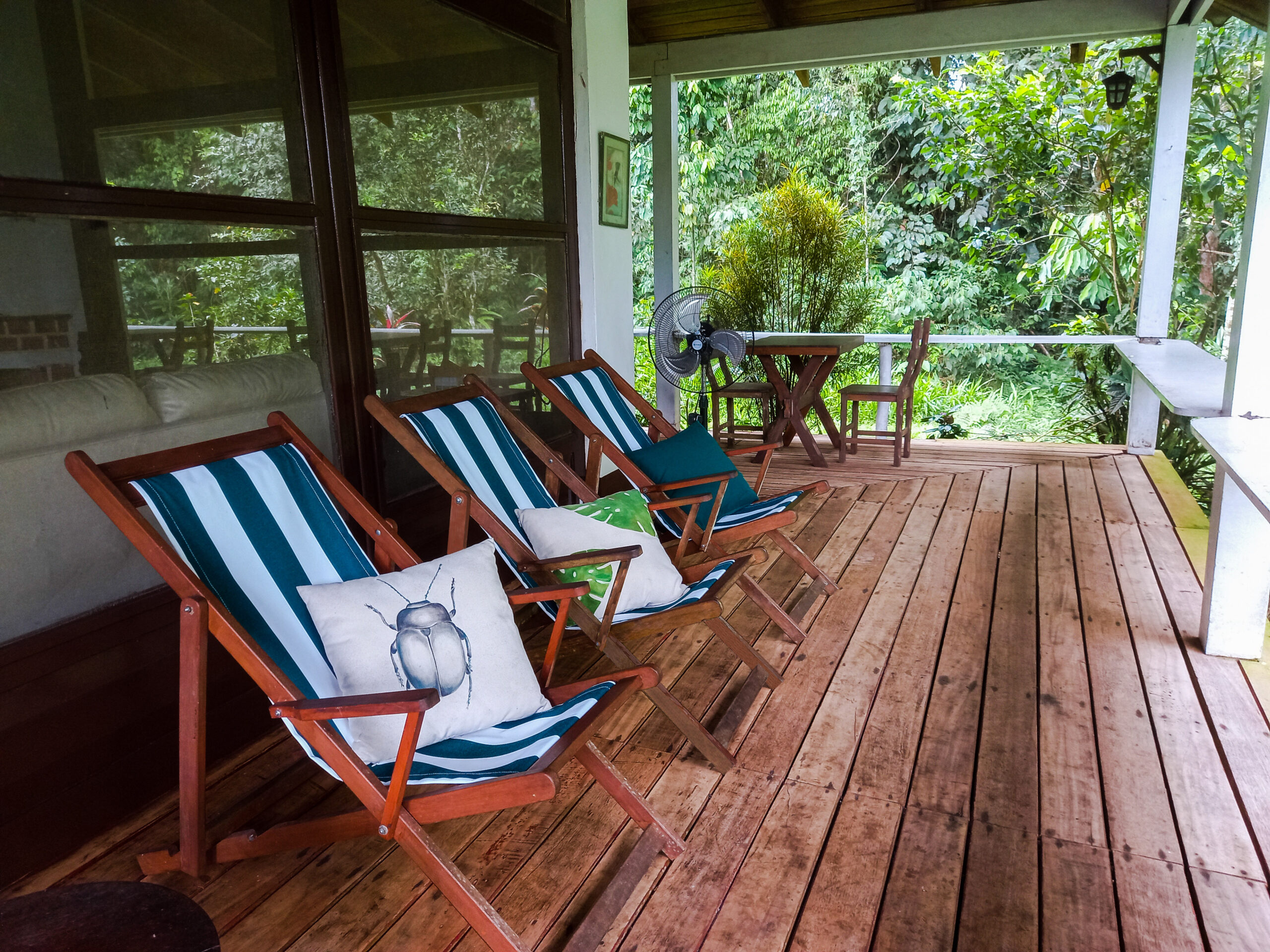
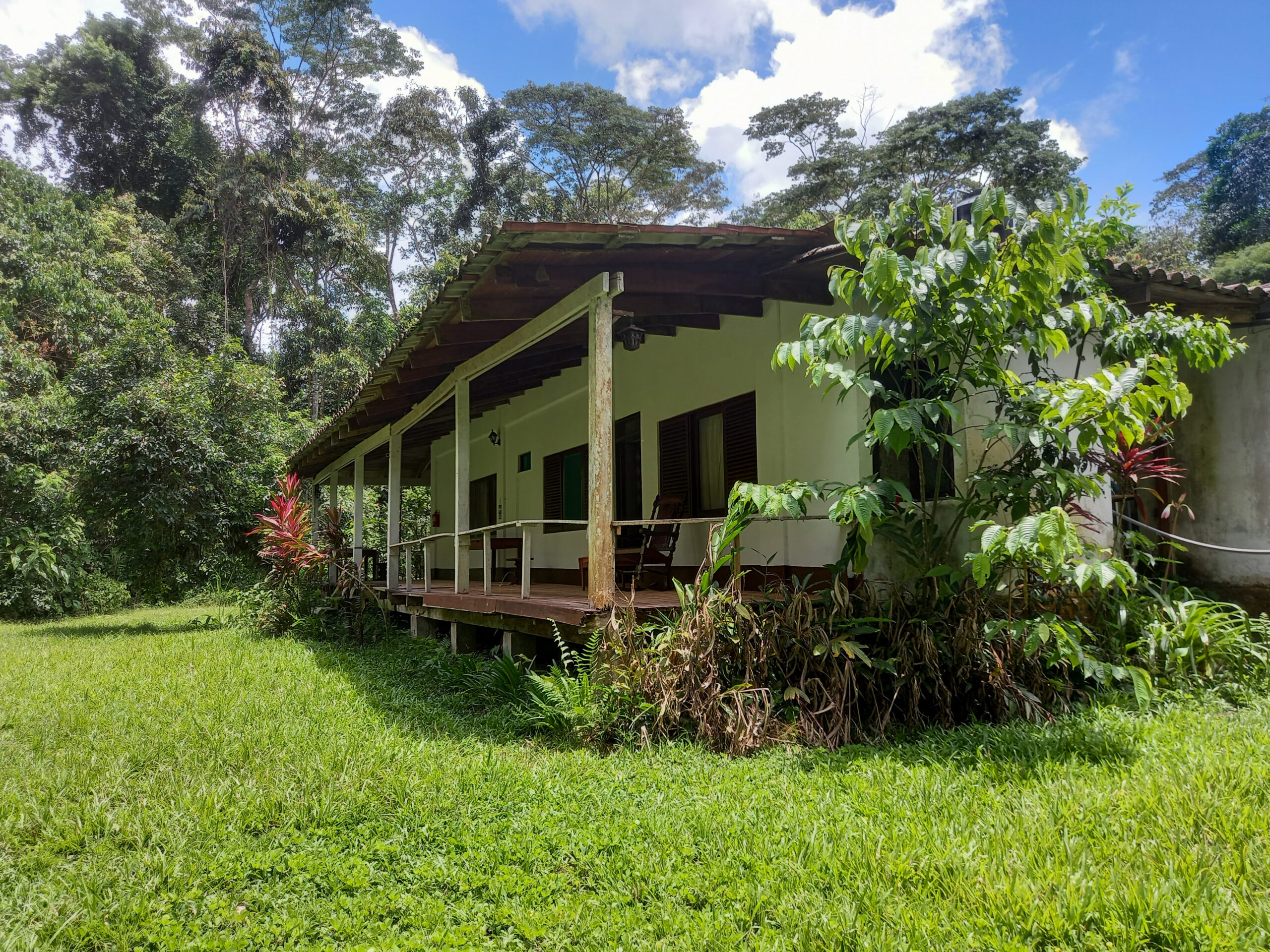
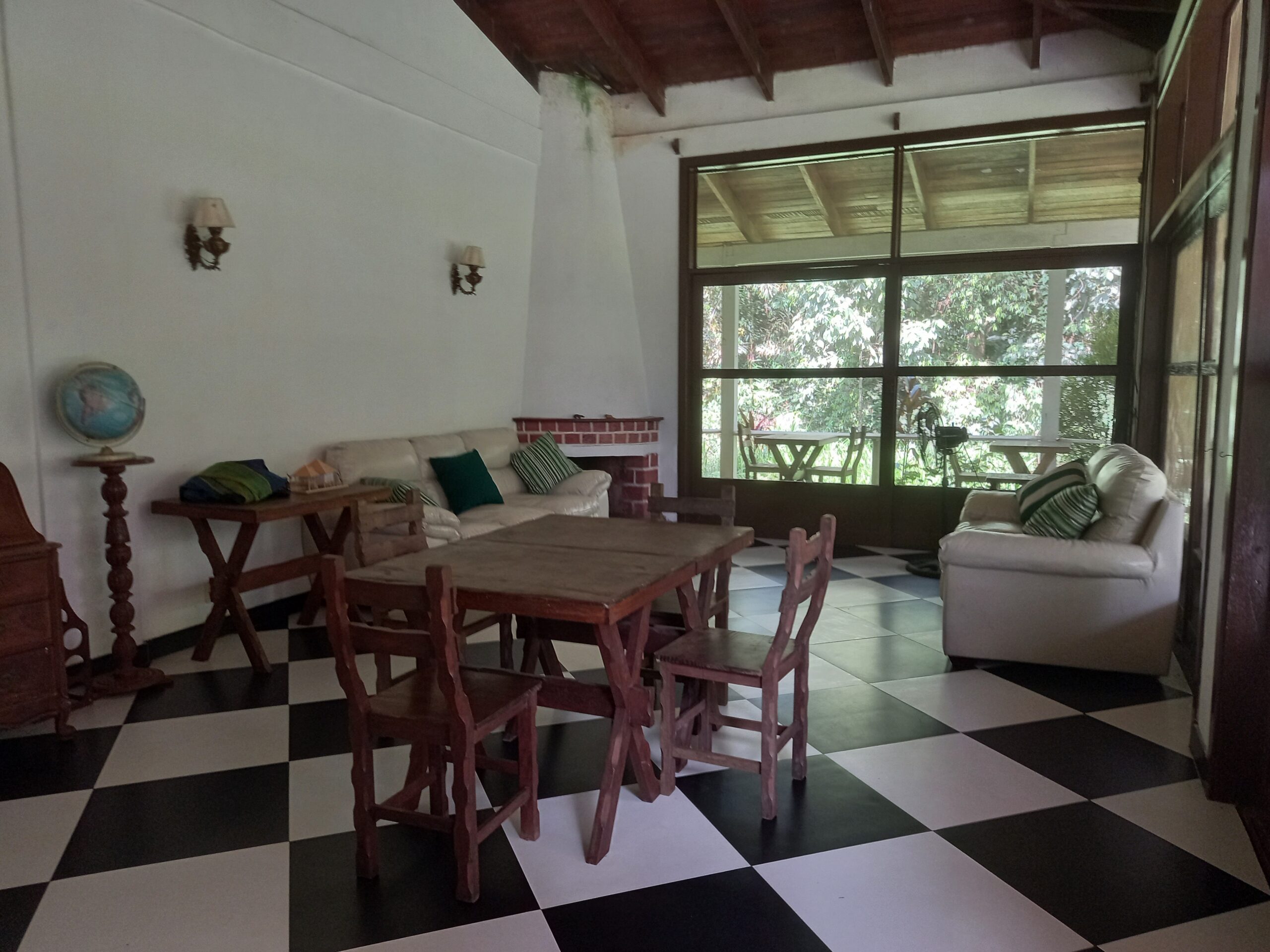
We count with two main houses, with nine bedrooms in total – seven double rooms, one single room and a larger room that can accommodate up to four people, each of them with its own bathroom with hot water and surrounded by a beautiful forest, with all the flora and fauna that characterize a jungle lodge.
We also have a lobby, kitchen, dining room and various terraces with rocking chairs and a hammock: the perfect spot to kick back and just watch the day go by. You can enjoy a drink or two at our beautiful outdoors Tikki bar (‘Tikkizonic’, actually – something like a Tikki bar with an Amazonian touch) with an adjacent large BBQ where we can cook some typical jungle fish, a traditional prime steak or anything else you might fancy.
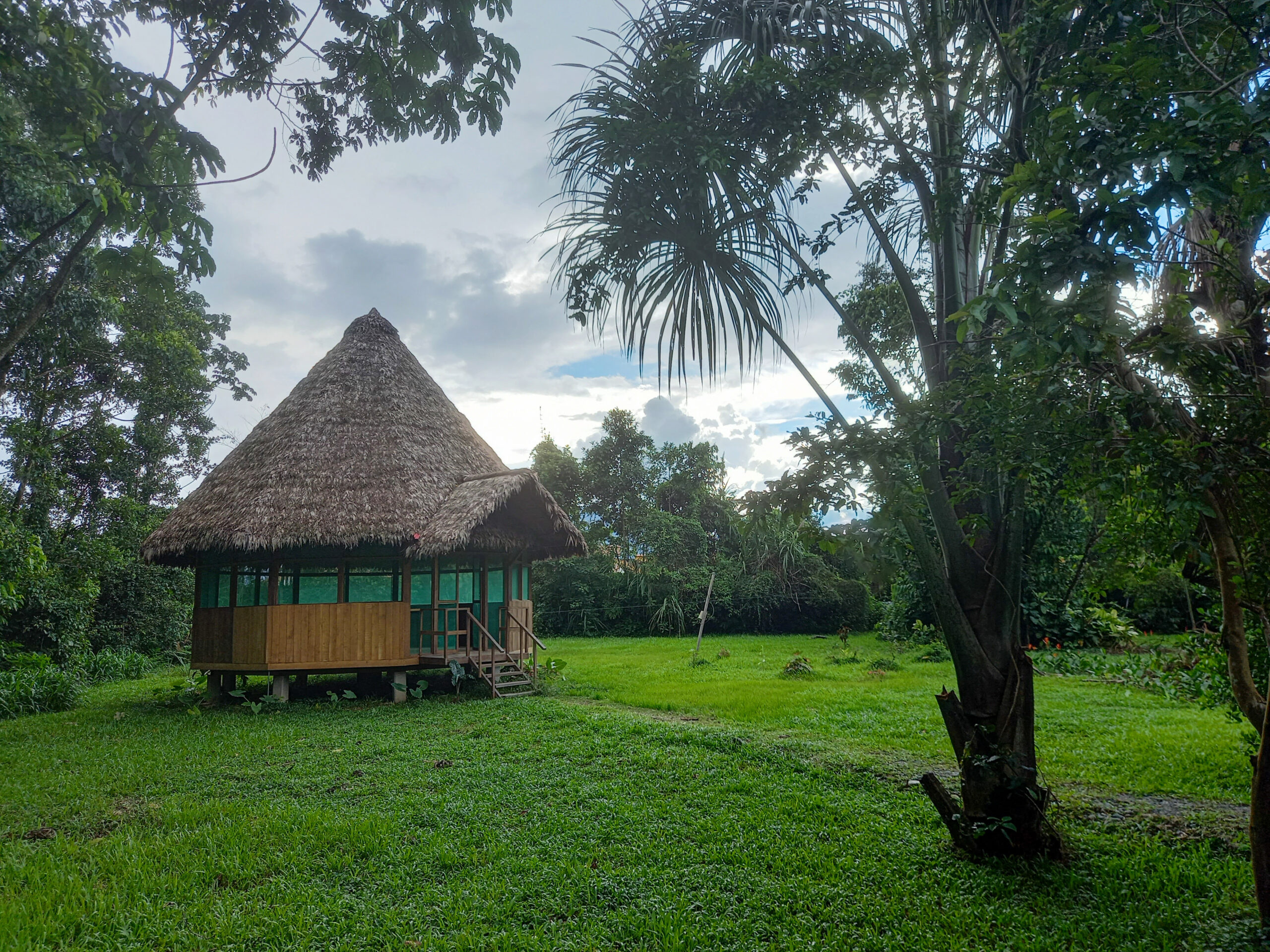
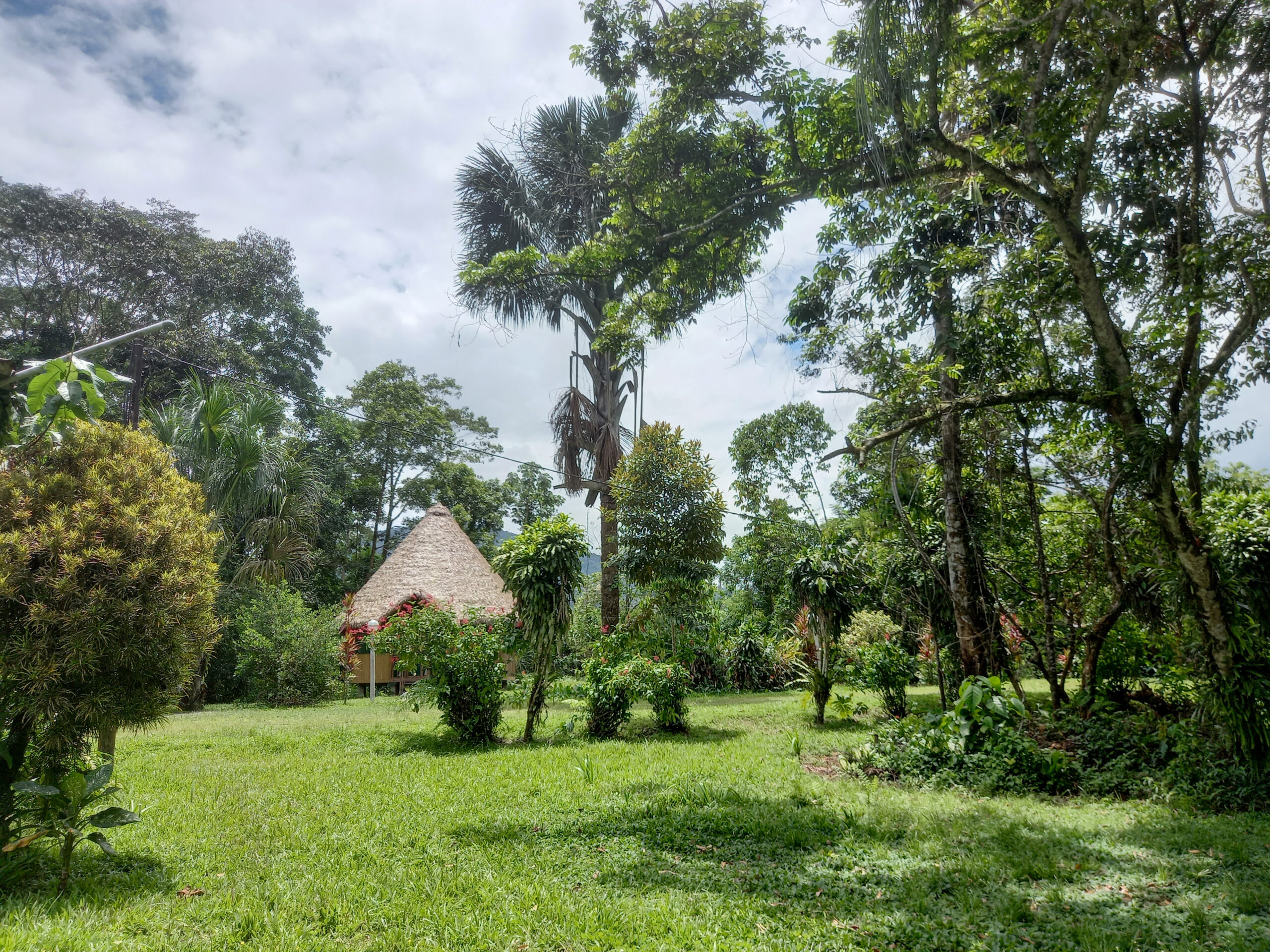
A bit further from the two main houses, we have a large maloka with an impressive hand-knitted roof. A maloka is a traditional Amazonian hut that can cater for yoga sessions, traditional ceremonies, group meetings, etc.
For those who wish to keep fit while on holidays, we have a small open gym, with weights, a gym machine and a heavy bag.
By July we’ll count with a swimming pool and sunbathing terraces too.
Amazon Nature
FAUNA AND FLORA
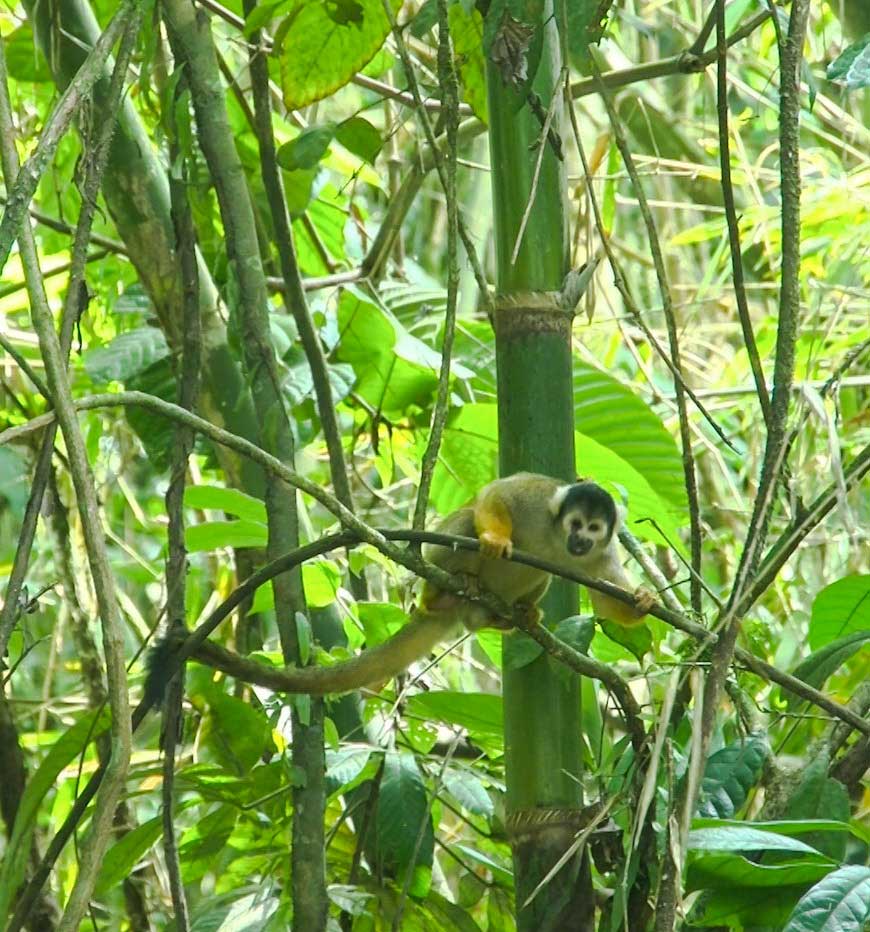
Three different species of monkeys visit our various feeding stations regularly. They feel comfortable enough to let themselves be watched while they enjoy their bananas before taking off into the bush, jumping from tree to tree.
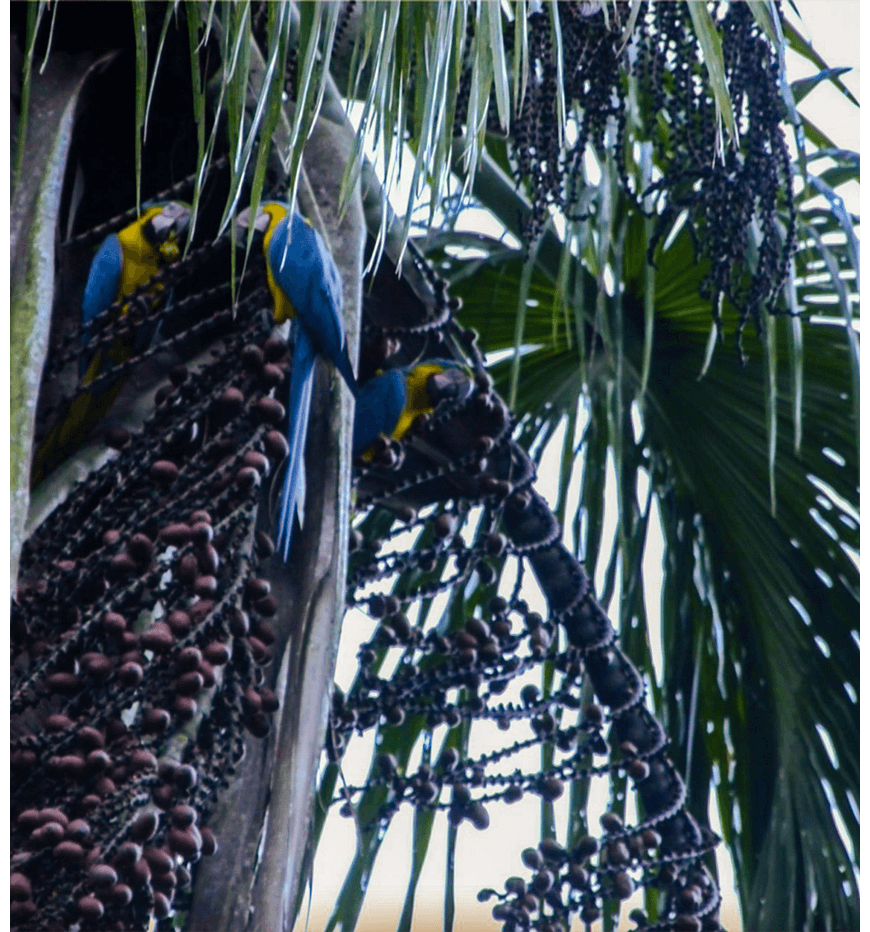
Beautiful Macaws also visit us regularly. They station themselves at the top of our Aguajales (large palm trees that produce the aguaje fruit – a highly nutritious Amazonia ‘super food’) from where they enjoy their fruit lunch.
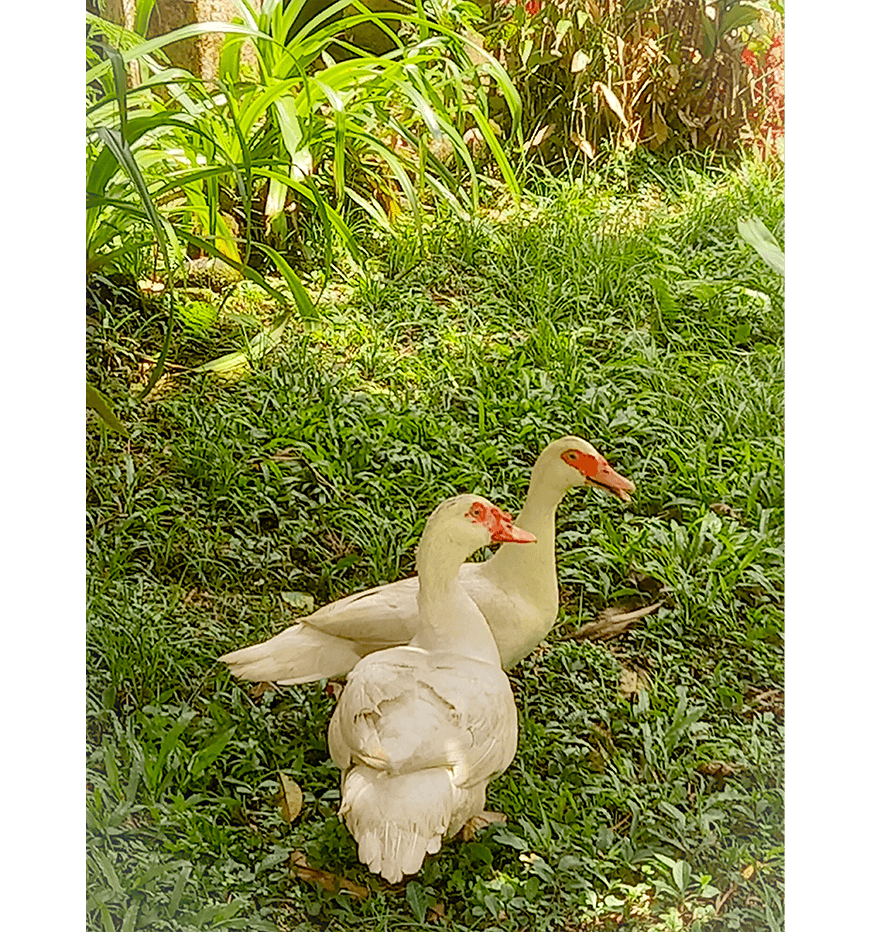
Ducks, rabbits and our beloved cats roam freely across this large property. And, if you’re lucky, you might come across an añuje, (agouti) or an iguana.
At Wandari that’s the way we like it – we’re strongly opposed to caging animals of any kind, or depriving birds and parrots from their ability to fly. We promote spiritual freedom in all its forms. The animals you can see in our lodge belong to the jungle, and come and go as they please. Even the cats used to live in the bush before becoming too comfortable with being spoilt by our staff.
We have campaigned against the trafficking of Amazonian wildlife, and the founder of Wandari Lodge made a documentary that was aired internationally, by UK’s Channel 4, denouncing this practice. This secured the arrest of a notorious wildlife trafficker and stopped this practice from taking place in one of the worst Peruvian hotspots for this criminal offence. Unfortunately, our efforts are far from solving this widespread problem, but we’re committed to keep fighting for this cause.
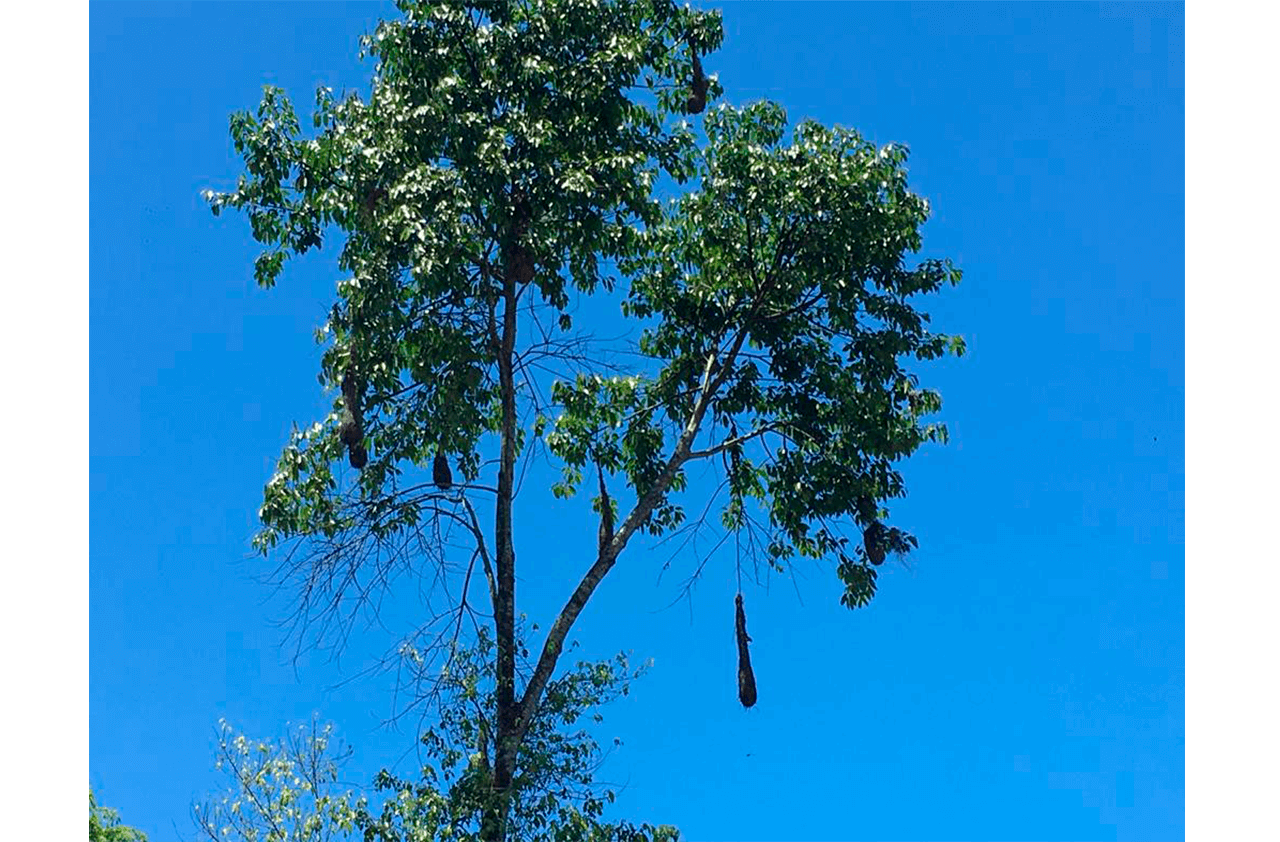
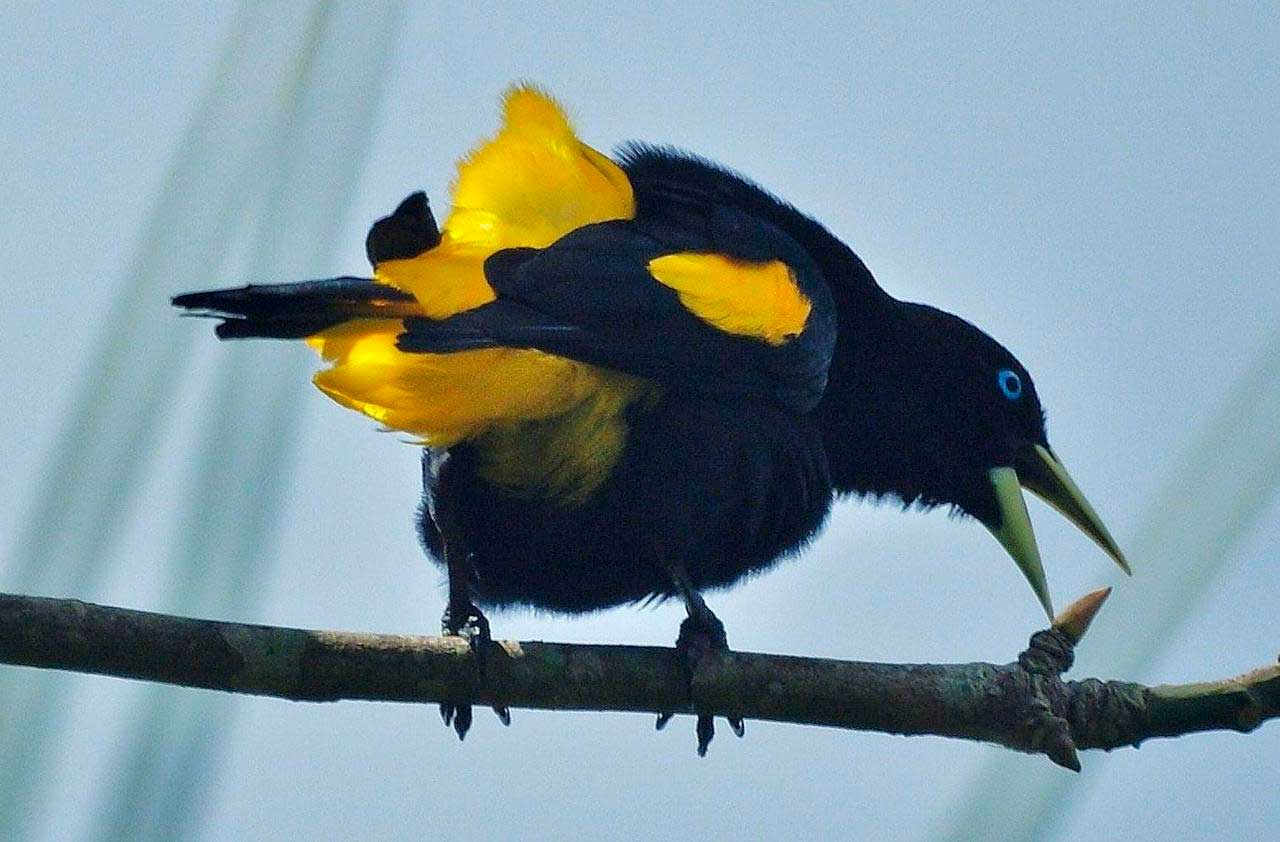
Bird and butterfly enthusiasts will also have plenty to enjoy watching, as the sight of the stunning blue morpho butterfly is not uncommon, while yellow-rumped cacique birds (pusti, as it’s called locally) tend to fly low, showing their yellow and brown plumage, particularly in the mornings. Sharing the cacique’s habitat, we have the smaller Amazonian oropendolas (locally known as paucar). The latter are black and yellow (males) and only black (females). Both the pusti and the paucar build their impressive hanging nests in the branches of our trees. The paucar are also famous for their ‘artistic’ abilities: they can imitate the song of other birds and in their repertoire they have about 200 songs (luckily for them, no copyright infringement claims have been filed by other birds so far).
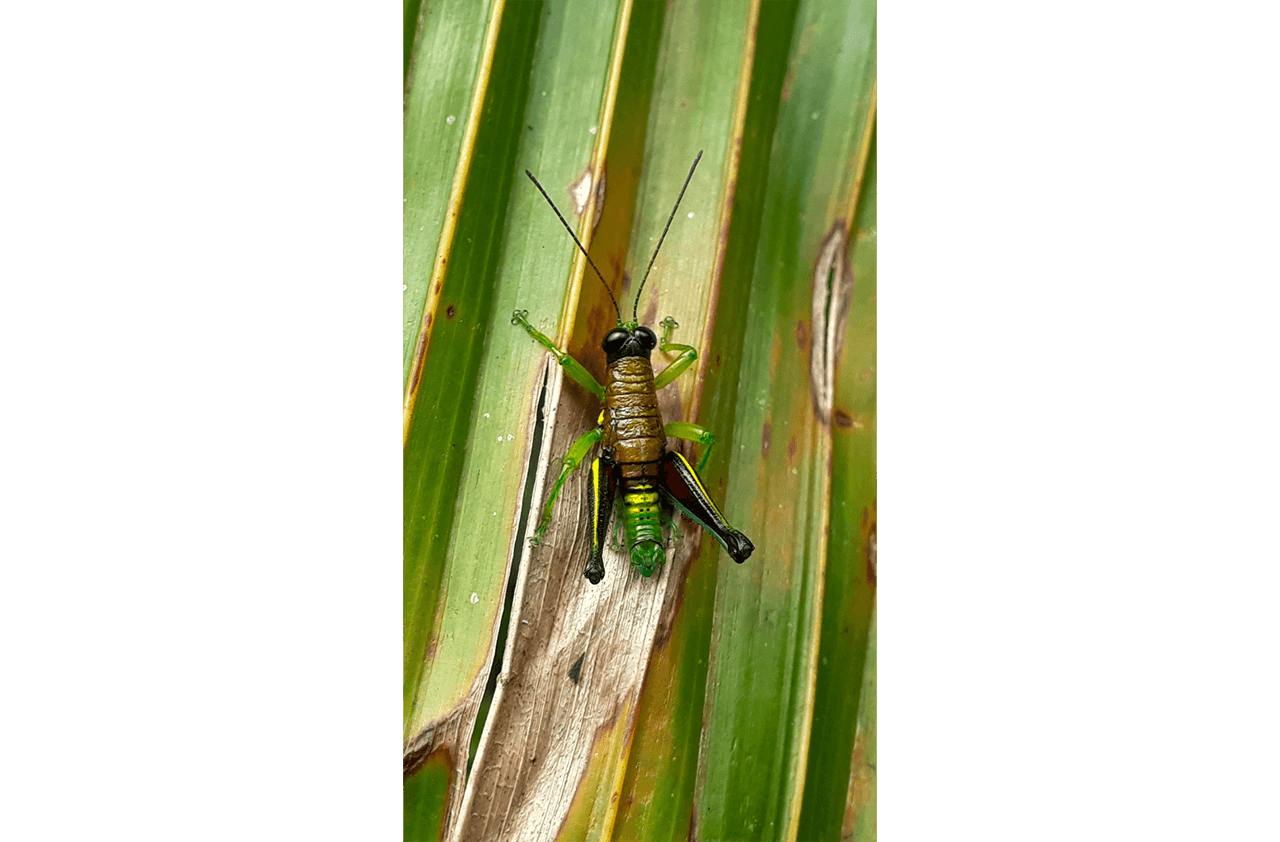
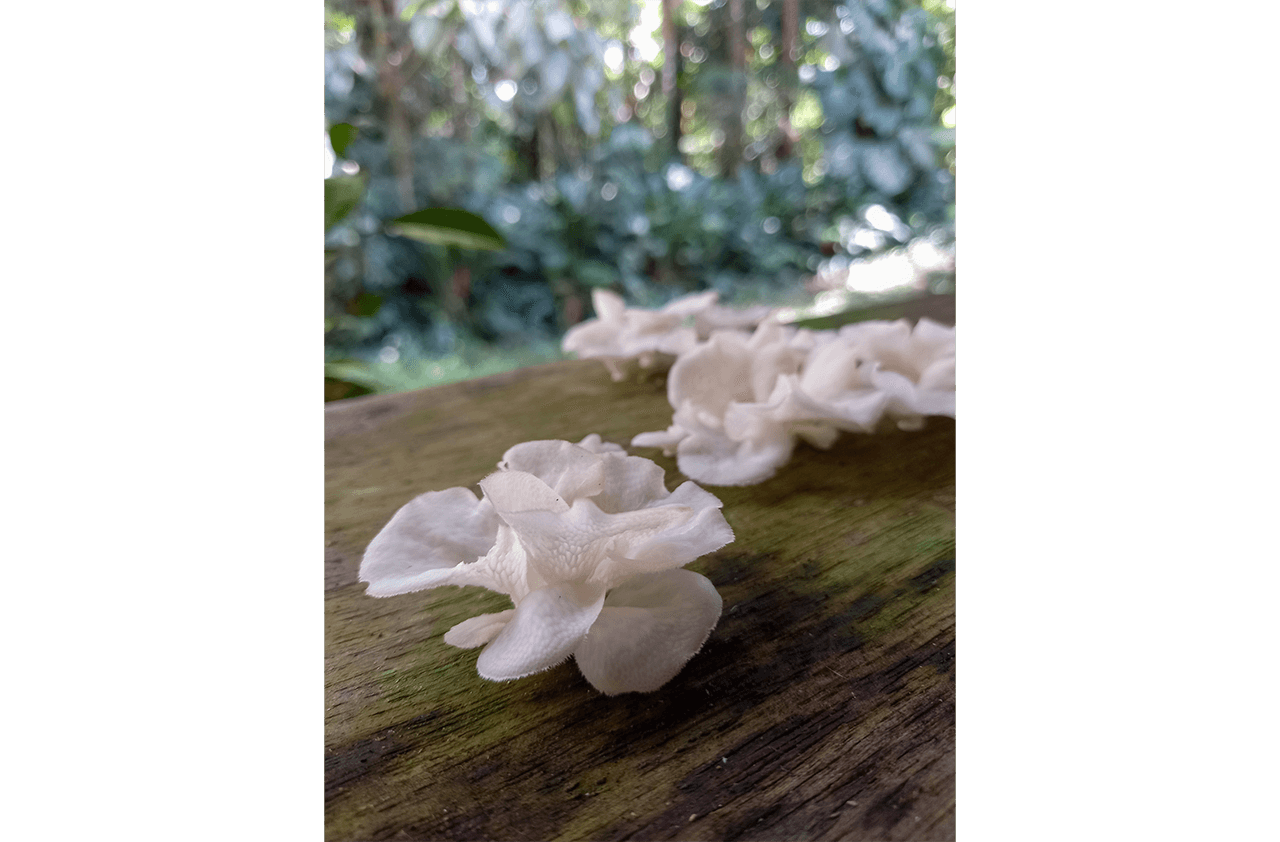
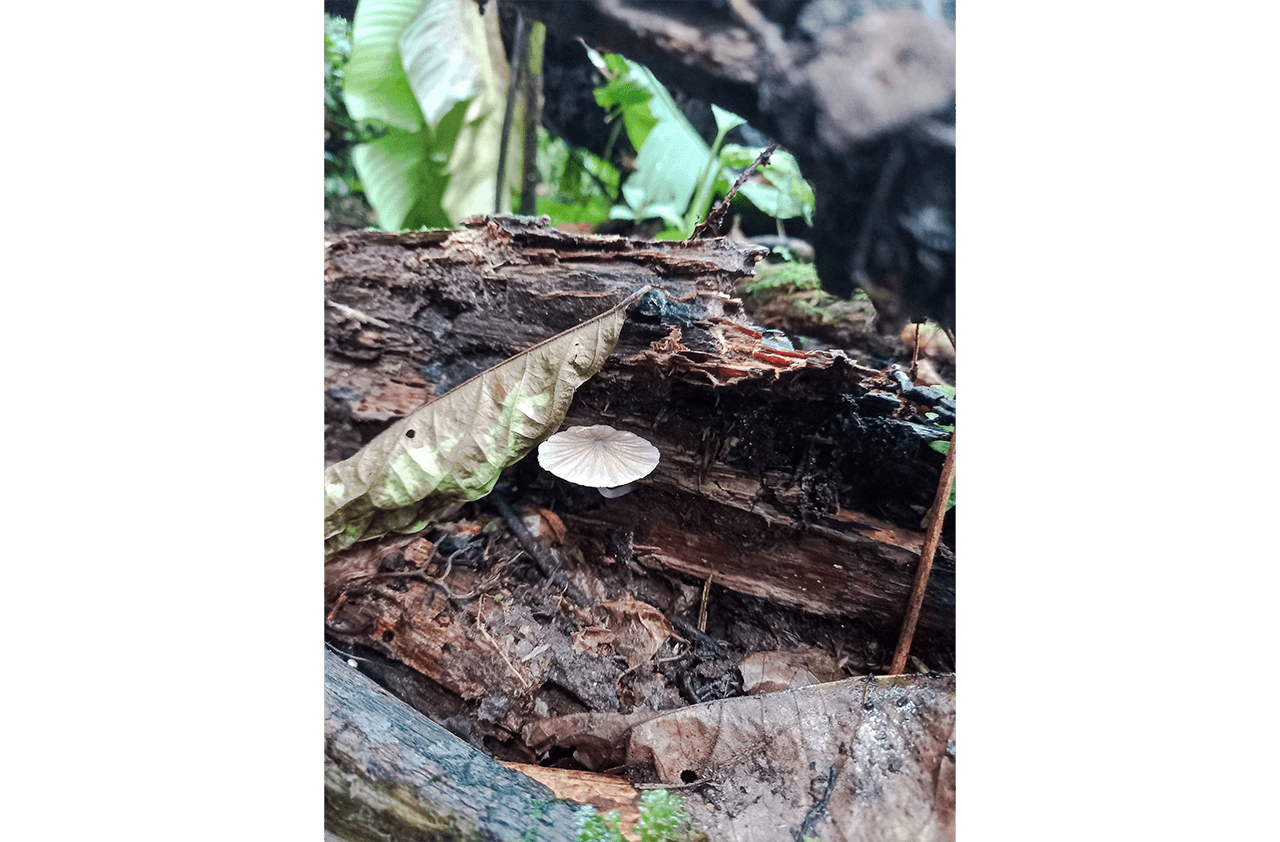
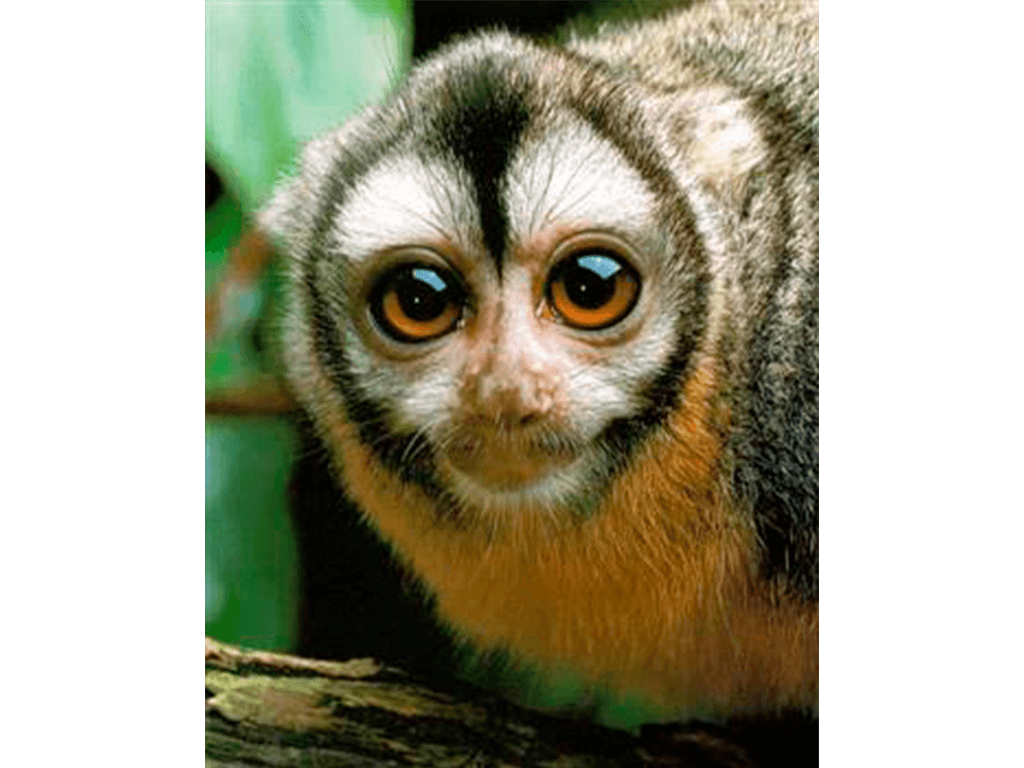
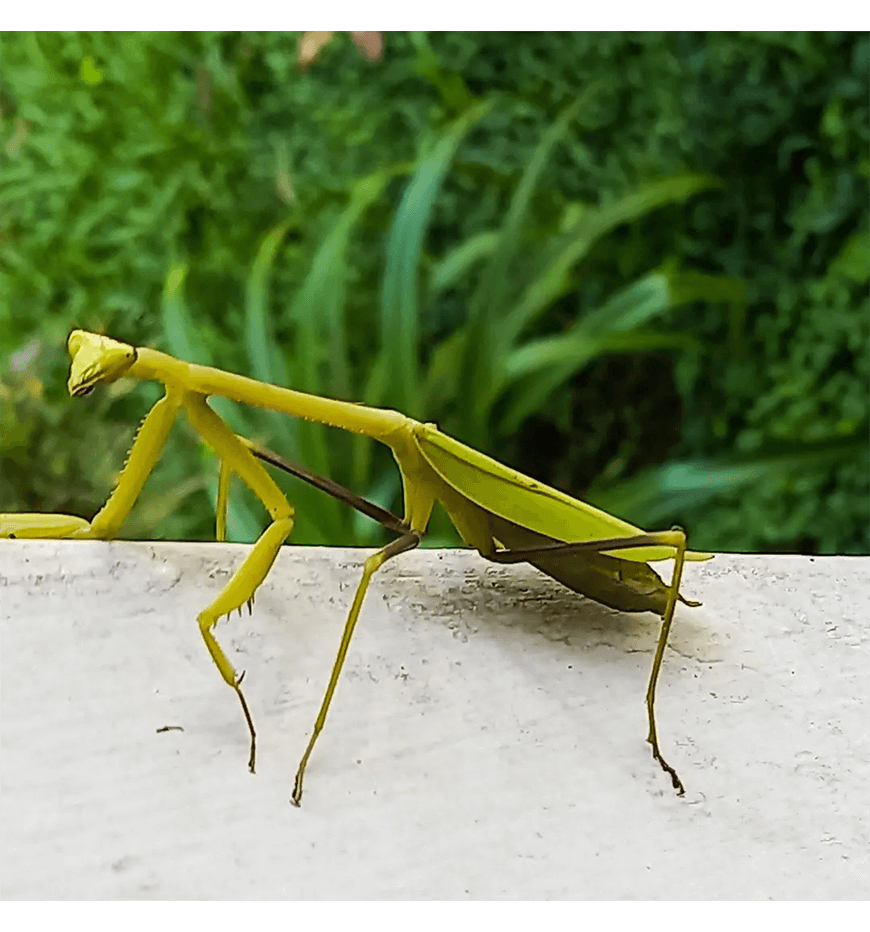
At night you can hear the owls and the shouts of the nocturnal monkeys, standing out from the typical sounds of crickets, katydids and frogs.
A swamp at the far end of our land boasts its own ecosystem.
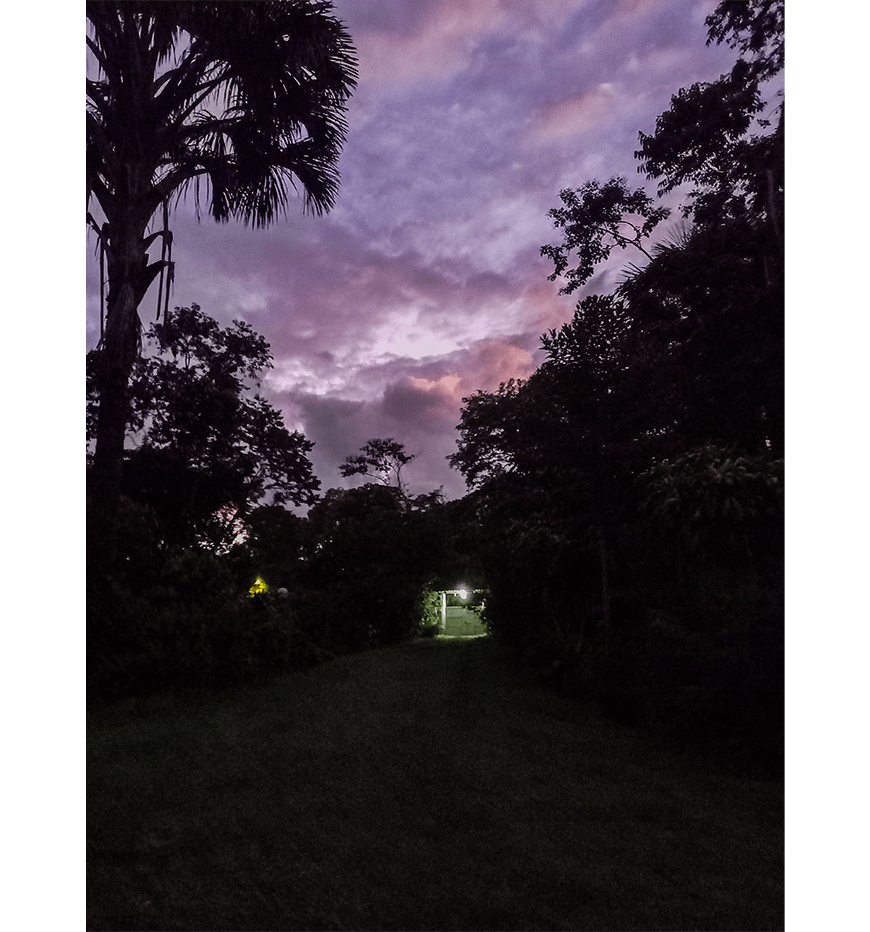
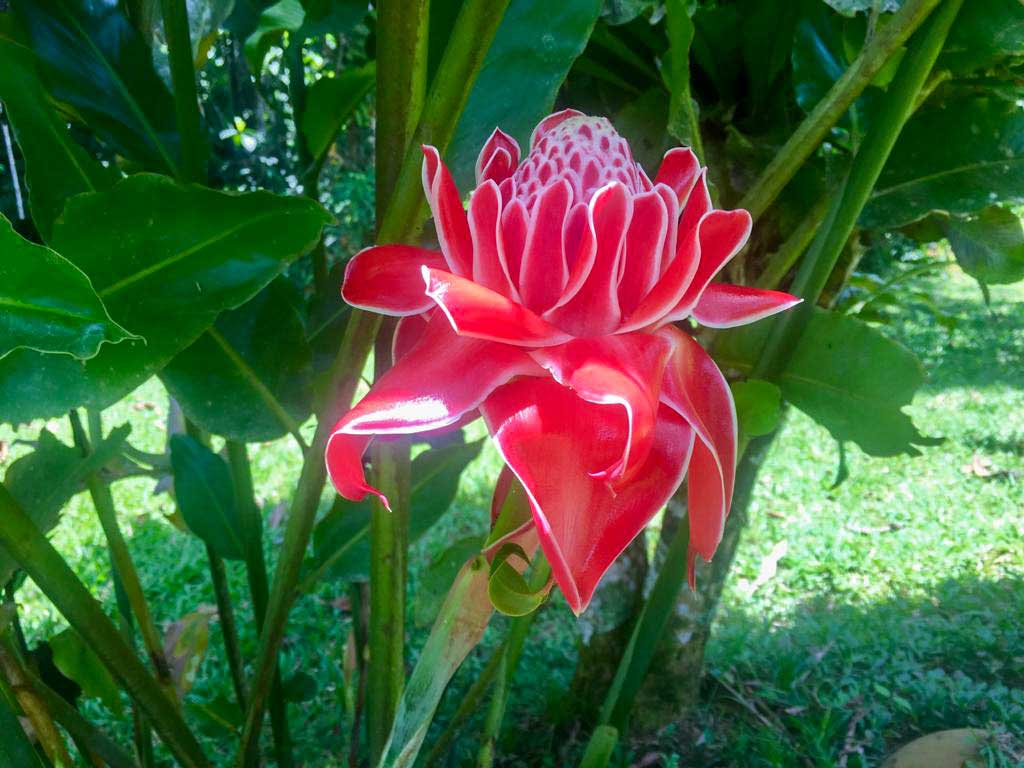
The whole property is surrounded by hundreds of trees, some of which are over 40 meters tall. Various colorful flowers also serve as feeding stations for humming birds.
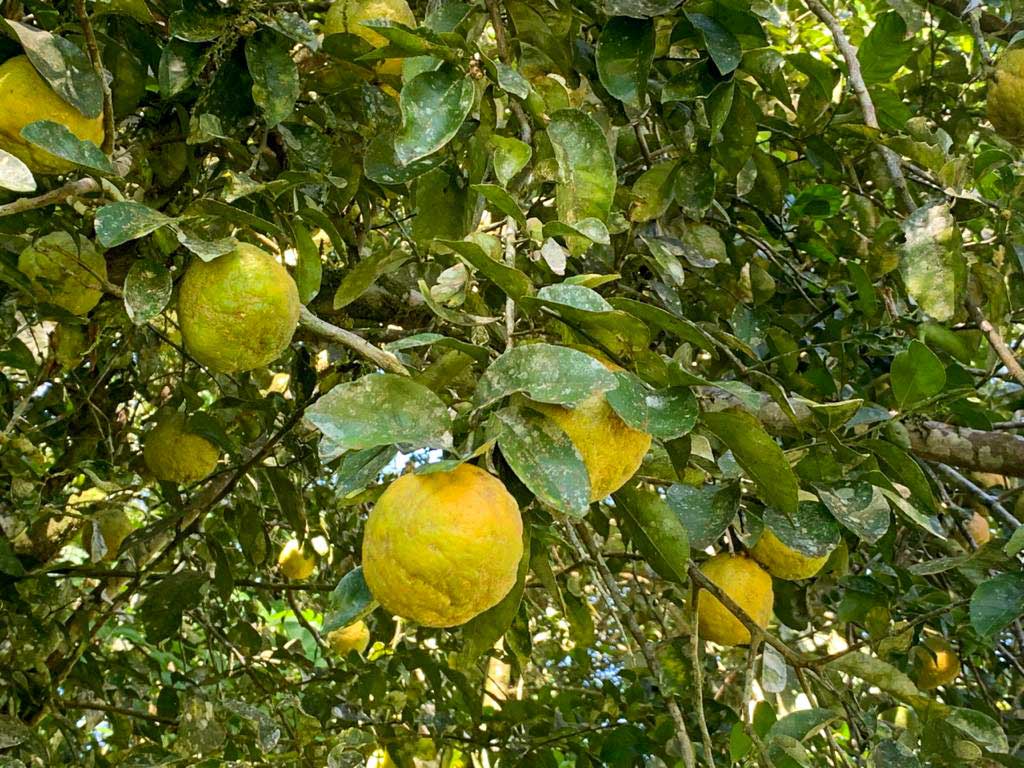
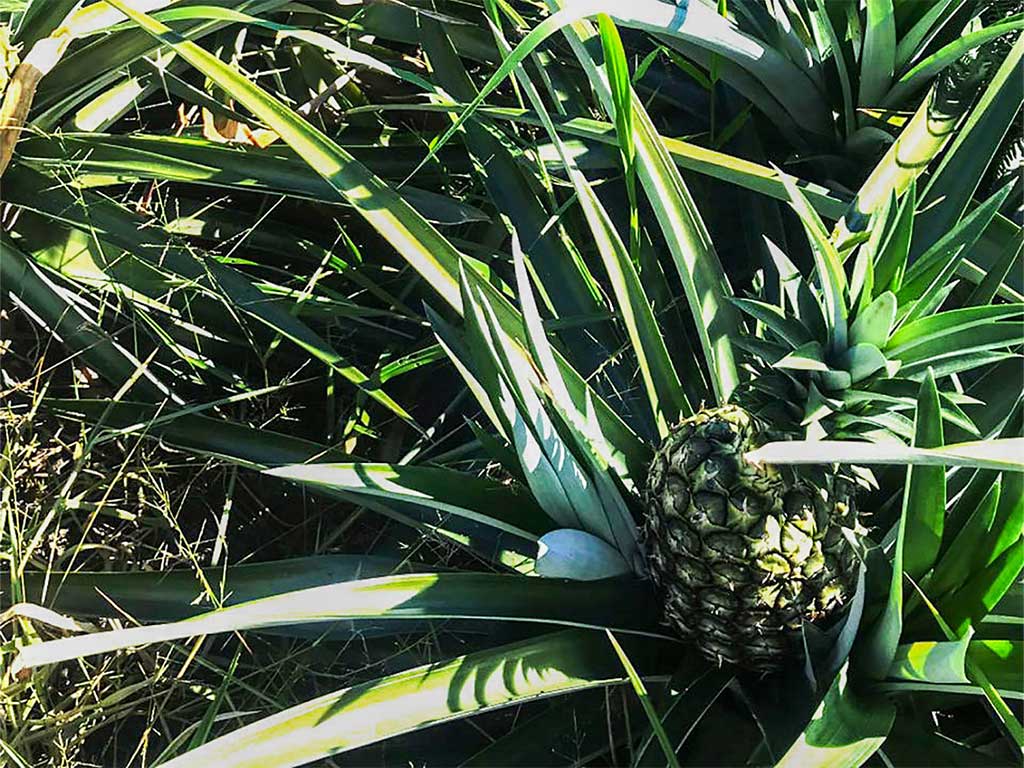
We grow pineapples, papayas, jungle lemons, copazu (very tasty Amazonian fruit that provides the perfect juice), aguajes, etc. You can enjoy all these, straight from the land to the table (well, all but the aguajes, which we save for the parrots and macaws).